
Renewable Energy Program
Transitioning to Renewable Energy: A Cost-Effective Shift to Wind and Solar Power.
In the face of existential threats posed by climate change, few leaders have demonstrated the audacity and foresight of Mohamed Nasheed, the former President of the Maldives. During his presidency from 2008 to 2012, Nasheed positioned the Maldives as a global leader in climate advocacy, pledging to make the nation carbon-neutral within a decade. His ambitious plan centered on transitioning from fossil fuels to renewable energy sources, particularly wind and solar power, while emphasizing that the financial cost of this shift would be comparable to existing energy expenditures. Beyond policy, Nasheed’s innovative approaches, such as the world’s first underwater cabinet meeting in 2009 and the founding of the Climate Vulnerable Forum, underscored his commitment to raising global awareness about climate change and its disproportionate impact on vulnerable nations like the Maldives. This essay explores Nasheed’s groundbreaking initiatives, their significance, and their lasting legacy in the fight against climate change.
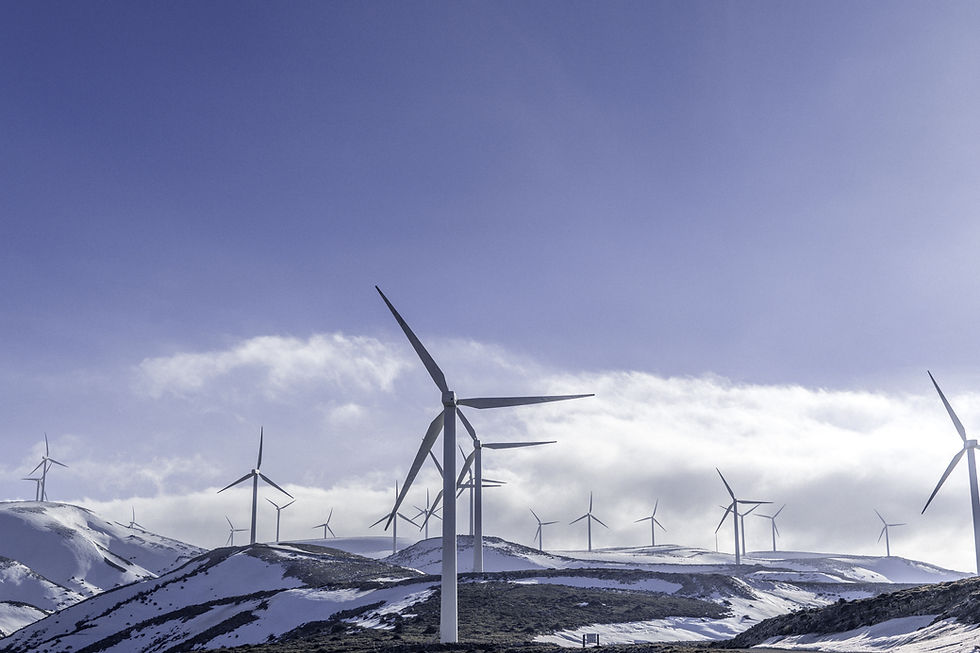
Nasheed’s pledge to achieve carbon neutrality by 2019 was a radical departure from conventional energy policies, especially for a small, resource-constrained nation like the Maldives. The Maldives, an archipelago of 1,192 coral islands in the Indian Ocean, relies heavily on imported fossil fuels for energy, making it both economically and environmentally unsustainable. Nasheed’s vision was rooted in the belief that renewable energy, specifically wind and solar power, could replace diesel generators without increasing costs. According to Wikipedia, he argued that the long-term savings from renewables would offset the initial investment, as the Maldives’ energy spending was already substantial due to its dependence on imported fuel. This argument challenged the narrative that green transitions are prohibitively expensive for developing nations, offering a model for others to follow. By prioritizing renewables, Nasheed not only sought to reduce the Maldives’ carbon footprint but also to insulate its economy from volatile global fuel prices.
Beyond policy, Nasheed’s presidency was marked by bold, symbolic actions that captured global attention. In October 2009, he organized the world’s first underwater cabinet meeting, a striking stunt designed to highlight the Maldives’ vulnerability to rising sea levels. Held 16 feet underwater off the island of Girifushi, the meeting saw Nasheed and his cabinet don scuba gear and sign a document calling for global action to reduce carbon emissions. As noted by Wikipedia, this event was a powerful visual metaphor for the Maldives’ precarious future, as the nation’s low-lying islands face the risk of submersion due to climate change. The underwater meeting garnered widespread media coverage, amplifying the urgency of climate action and positioning the Maldives as a moral voice in global climate discussions. Nasheed’s ability to leverage such creative gestures demonstrated his understanding of the power of narrative in mobilizing international support.
Nasheed’s advocacy extended beyond the Maldives through his establishment of the Climate Vulnerable Forum (CVF) in 2009. The CVF is an alliance of countries disproportionately affected by climate change, including small island states and developing nations in Africa, Asia, and Latin America. By founding the CVF, Nasheed created a platform for these nations to collectively advocate for stronger global climate policies and secure financial and technical support for adaptation and mitigation. The forum has since grown to include over 50 members and has influenced international climate negotiations, including the Paris Agreement. Nasheed’s leadership in forming the CVF reflects his recognition that the Maldives’ survival depends on global cooperation, as no single nation can combat climate change alone. His efforts gave voice to countries often marginalized in global discussions, ensuring their vulnerabilities were not overlooked.
Despite the ambition of Nasheed’s initiatives, his presidency faced significant challenges. Political instability, culminating in his resignation in 2012 amid a controversial power struggle, disrupted the implementation of his carbon-neutral plan. The Maldives’ economic constraints and reliance on tourism, which generates significant carbon emissions, further complicated the transition to renewables. While the 2019 carbon-neutral target was not fully realized, Nasheed’s policies laid the groundwork for ongoing renewable energy projects, such as solar installations on several islands. His underwater cabinet meeting and the CVF, meanwhile, left an indelible mark on global climate advocacy, inspiring other nations to take bold action.
Mohamed Nasheed’s presidency stands as a testament to the power of visionary leadership in addressing climate change. His pledge to make the Maldives carbon-neutral, coupled with his innovative advocacy through the underwater cabinet meeting and the Climate Vulnerable Forum, reshaped the global conversation on climate vulnerability. By arguing that the transition to renewables was financially viable and by amplifying the voices of at-risk nations, Nasheed challenged the status quo and offered a blueprint for sustainable development. Though political and economic hurdles limited the full realization of his goals, his legacy endures in the Maldives’ ongoing renewable energy efforts and the CVF’s continued influence. In an era of escalating climate crises, Nasheed’s bold actions remind us that even the smallest nations can lead the world toward a more sustainable future.
Sources: Information drawn from Wikipedia entries on Mohamed Nasheed, the Maldives’ climate policies, and the Climate Vulnerable Forum, as referenced in the prompt.
Explore renewable energy challenges
Other climate advocacy leaders
More concise summary
Power in Numbers
Programs
Locations
Volunteers
Project Gallery


