
The Pamphlet and the Lagoon: How Maldivians Name the Ocean’s Most Beautiful Predators

Updated: 3 days ago

The Maldives is known for turquoise lagoons, living coral gardens, and an almost overwhelming richness of marine life. In those same shallow waters live some of the ocean’s most beautiful and least understood predators: the cone snails of the family Conidae. A short Dhivehi pamphlet titled “ގޮށި ފޫއެނބުރި (ކޮން)” captures this duality with unusual clarity. Its pages show living animals half-buried in sand, a dense collection of empty patterned shells, and close portraits of named species. The document is not a collector’s catalogue. It is an educational warning written in the language of local natural history.
In everyday Dhivehi two words cover most of the shells that wash onto beaches or lie in lagoons. ބޮލި (boli) is the general word for a seashell and, more specifically, for cowries. ގޮށި (goshi) is the word reserved for cone shells,the animals at the centre of the pamphlet. Most islanders do not invent a separate name for every species. They say “boli” and then add a describing word for colour, pattern or size. Only a handful of shells have widely remembered names of their own. Among the names still heard on reefs and lagoons are raakani, foenburhi, sangu, fenukekki boli, muraka boli, dhon anga, rihaakuru boli, golhaa and rindhali.

The shells Maldivians have known longest are the cowries. For centuries the small white money cowry, Monetaria moneta, was collected in enormous numbers from reef flats and used as currency across the Indian Ocean. In Dhivehi it is simply boli. The larger, spotted tiger cowry, Cypraea tigris, is sometimes called ފުއްލާ ބޮލި (fulla boli). Other familiar Bodu Boli (Big Shell) older island namesފެންކައްކާބޮލި (fenkakka boli), ދޮންއަނގަ (dhon anga)“white-mouth”and ރިހާކުރު ބޮލި (rihaakuru boli), a dark brown shell named after the colour of rihaakuru, the traditional tuna paste. ގޮޅާ (golhaa) and ރިނދަލި (rindhali) belong to the same everyday vocabulary. These animals live under rocks and among rubble; their glossy shells have been ornaments, money and children’s playthings for generations.

On the vibrant and ecologically rich Maldivian reefs, the diversity of marine life is not only a source of fascination for scientists and tourists but also plays a significant role in the daily lives of the local communities. The shells found on these reefs often take on a 'public life,' meaning they are well-known and familiar to various groups within Maldivian society. For instance, children growing up in these islands are taught to recognize and identify shells, often referring to them by their local name, boli. This early education fosters a connection to their environment and instills a sense of pride in their natural heritage. Fishermen, who rely on the ocean for their livelihoods, possess a deeper knowledge of the marine ecosystem, including specific types of shells that can be found in the waters surrounding the islands. They are familiar with the term raakani, which refers to a particular shell that might be used as bait or for other practical purposes. Additionally, they recognize sangu, another shell that holds significance in both fishing and culinary practices. This intimate understanding of the shells reflects the fishermen's relationship with the sea, as they navigate its depths in search of sustenance. Collectors, often enthusiasts or scholars, delve into the world of shells with a passion that transcends mere recognition.

They are well-acquainted with goshi, a shell prized for its unique characteristics and often sought after for personal collections or scientific study. Similarly, foenburhi is another shell that collectors admire, appreciating its beauty and rarity. These individuals often dedicate time to exploring the reefs, documenting their findings, and sharing their knowledge with others, thus contributing to the preservation of Maldivian marine biodiversity. Yet, amidst this rich tapestry of commonly recognized shells, there exists a quieter narrative, articulated through a short sentence in Dhivehi that draws attention to the shells that are not frequently seen or acknowledged. Among these elusive treasures are the shells known as ކަފިހިބޮލި (kafihi boli) and ޗާޓު ބޮލި (chaatu boli). These shells, while not as widely recognized, hold their own unique stories and ecological roles within the reef ecosystem. The kafihi boli, with its distinct shape and texture, may serve as a habitat for small marine organisms, while the chaatu boli, known for its striking appearance, could be a crucial part of the food web, supporting various species in their life cycles. The existence of these less common shells highlights the complexity and richness of the Maldivian marine environment, reminding us that every shell, regardless of its popularity, contributes to the overall health and diversity of the reef ecosystem.
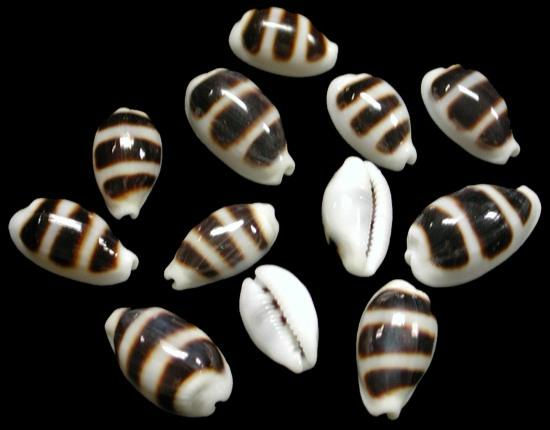
Cone Shells occupy a different place in the language and in the lagoon. They bury in sand during the day and emerge at dusk. Every species produces a complex venom delivered through a harpoon-like tooth. Most stings cause pain and swelling; a few can stop breathing within hours. The pamphlet’s pairing of live animals with empty shells makes the essential point: the object that looks like a souvenir may still contain a living weapon.

The general name for all of them is goshi. The pamphlet itself uses ފޫއެނބުރި (foenburhi) for the patterned, cloth-like cones. Among the species that live in Maldivian lagoons and reefs are the Maldive cone (Conus maldivus), the sand-speckled cone (Conus arenatus), and the ivory cone (Conus eburneus). The last two are especially common in shallow sandy lagoons,the same places where children play and tourists wade. Two others receive special attention because of their danger and their beauty. The geography cone, Conus geographus, has a thin, inflated shell marked like a faded map. It hunts fish and is responsible for nearly all recorded human deaths from cone-snail stings. The textile cone, Conus textile, wears overlapping triangles of brown and gold that look like woven cloth. It is also venomous and should never be handled live. A few cones have extra local labels: ދިއްލި ބޮލި (dhilli boli) for some toothed forms and ހުޅުބު ބޮލި (hulhubu boli) for certain marble-patterned shells. Surveys have recorded forty to sixty Conus species in the archipelago; most have no name beyond goshi.

Other large shells share the same reefs and sand flats. Spider conchs of the genus Lambis live on rubble and sandy bottoms. Their finger-like projections give them the local name ރާކަނި (raakani). Lambis lambis is collected for its meat as well as its shell. The great triton, Charonia tritonis, is ސަންގު (sangu) and was once used as a horn. މުރަކަ ބޮލި (muraka boli) “coral shell”,usually means a rough, coral-encrusted or murex-like form. Helmet shells, oysters (އިތާ, ithaa), and the colourful giant clams Tridacna maxima and T. squamosa complete the familiar set. Empty shells left on the beach are usually taken by hermit crabs, known as ބަރަވެލި (baraveli)

The pamphlet therefore does two things at once. It celebrates shells that have been an integral part of Maldivian life for centuries, boli, which were once used as a form of currency, allowing trade and commerce among the islands; raakani, which continue to grace dinner plates and are a staple in local cuisine; and foenburhi, whose intricate and captivating patterns have made them highly sought after by collectors both locally and internationally. These shells are not merely objects of beauty; they embody the cultural heritage and the historical significance of the Maldives, reflecting the relationship between the people and their natural environment.

At the same time, the pamphlet serves an educational purpose by instilling a sense of respect for the living animals that produce these beautiful shells, emphasizing the importance of marine conservation and responsible interaction with nature. This respect is not just an ethical consideration; it is also a practical one. For instance, it is crucial to never pick up a live cone snail, as their venomous sting can have serious consequences. Individuals are advised to wear sturdy shoes when wading through lagoons at dusk, a time when many marine creatures become more active and potentially hazardous. Parents are cautioned to keep children away from any cone-shaped shell that still contains an animal, as the danger posed by these creatures can be underestimated.

In the event of a sting, it is imperative to treat it as a medical emergency, highlighting the necessity of awareness and preparedness when engaging with the marine environment. The juxtaposition of beauty and lethality within the confines of a small, conical shell is a poignant reminder of nature's duality. Within just a few pages of carefully curated photographs and informative Dhivehi text, this little document encapsulates both the allure and the dangers of the marine world. Anyone walking along a Maldivian lagoon at twilight would do well to remember the distinction between boli and goshi, understanding that while one may be a cherished artifact of the past, the other is a living creature deserving of respect and protection. It is vital to leave the living goshi where it belongs, half-buried in the sand, patiently waiting for the cover of night to emerge, a silent testament to the delicate balance of life in the vibrant ecosystem of the Maldives.


Comments